GRiP: Open Source & Design Division
Interdisciplinary design and engineering work with GRiP's Open Source and Design Division, building 3D-printed assistive devices and reviewing CAD for manufacturability.
Open Source Team Member
Overview
GRiP (Generational Relief in Prosthetics) is a University of Florida student organization, based in the J. Crayton Pruitt Family Department of Biomedical Engineering, that designs and 3D prints free, functional prosthetic and assistive devices for people with upper-limb differences worldwide. It's open to students from any major with no prior experience necessary. As a member of the Open Source team within GRiP's Open Source and Design Division, I contribute to interdisciplinary engineering projects that create 3D-printed assistive devices and adaptive tools for individuals with physical needs.
Goal
Support GRiP's open source team in developing, refining, and documenting CAD models and design files that are accurate, manufacturable, and ready for scalable end use and community contribution.
Design Process
- Review, analyze, and provide feedback on teammates' CAD drawings for accuracy, manufacturability, and adherence to project specifications
- Contribute to the open source team's CAD models and design files to support scalable end-use and community contributions
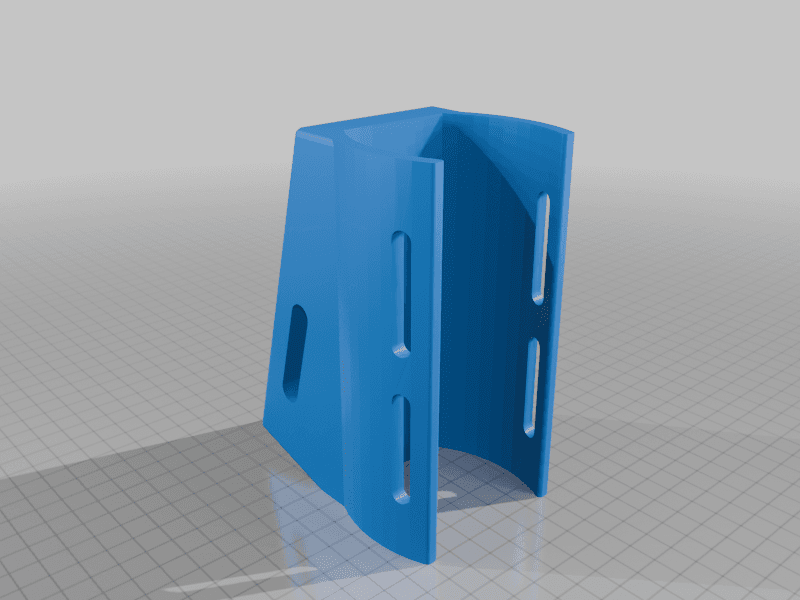
- Iterated on existing open-source designs, like a bike handlebar grip attachment and a golf club/baseball bat attachment, to improve function and manufacturability, then re-published the improved versions on Thingiverse
What I Learned
Working across GRiP's open source projects is a steady reminder that assistive device design succeeds or fails on manufacturability and documentation just as much as on the core mechanical idea, since these designs are meant to be built and adapted by other people, not just the original designer.